
Dietitian Blog | Jul 21 2025
The dangers of calorie restriction
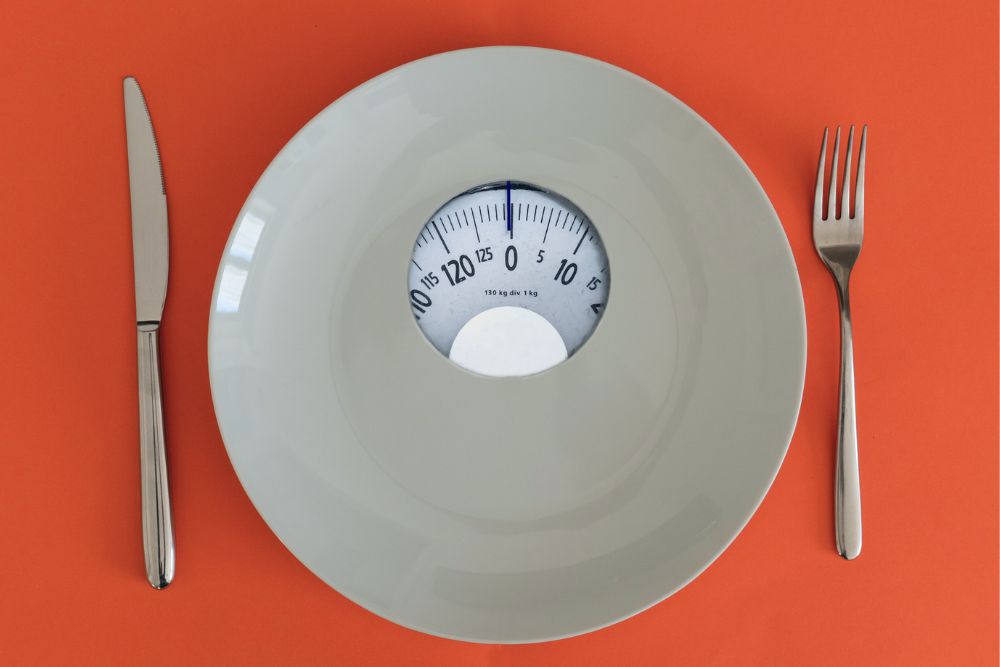
Malnutrition can stem from various factors, including disease, genetics, and socioeconomic status. And it takes many forms, such as undernourishment, over-nourishment, or a lack of dietary variety. While this blog focuses specifically on malnutrition caused by calorie restriction, it also highlights signs and symptoms that go beyond weight loss.
Often, when someone thinks of an individual who is malnourished, they envision someone like Lily Collins in the 2017 Netflix movie To the Bone. While some aspects of this movie are accurate, it depicts a very narrow idea of what malnutrition looks like.
It is important to keep in mind that people of all body sizes can engage in restrictive eating; therefore, anyone of any size can be malnourished. In fact, less than 6% of those diagnosed with an eating disorder are underweight.
What are outcomes of calorie restriction that aren’t weight-related?
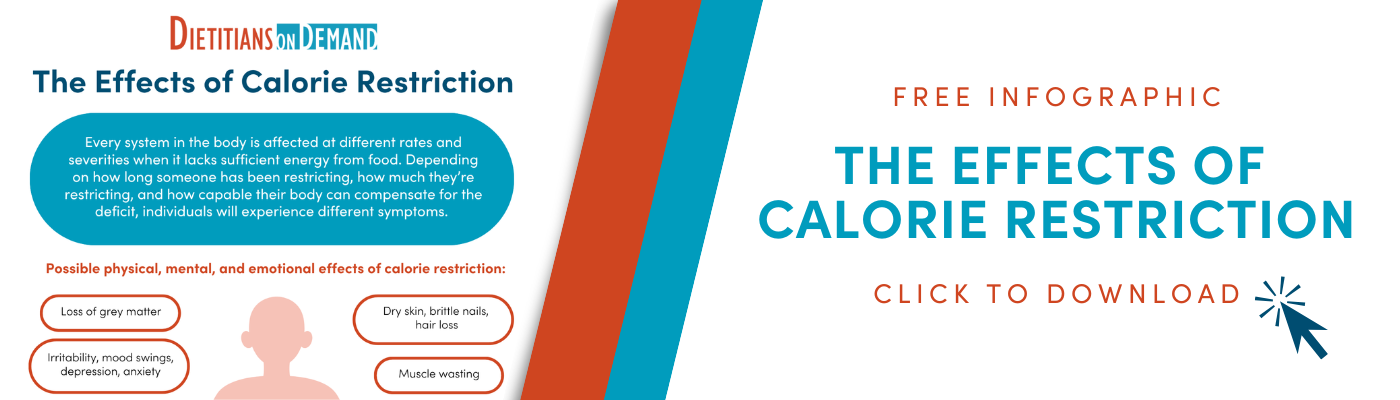
Every system in the body is affected at different rates and severities when it lacks sufficient energy from food. Depending on how long someone has been restricting, how much they’re restricting, and how much their body can compensate for the deficit, individuals may experience different symptoms. Below is a list of some effects that may occur due to calorie restriction:
Physiological factors
- Integumentary system: Dry skin, brittle nails, and hair loss can indicate dehydration and/or deficiencies in fat, protein, vitamins, and minerals. In some cases, fine hair (lanugo) will cover the body in an attempt to stay warm after a loss of weight or body fat.
- Musculoskeletal system: Physical weakness and fatigue will occur soon after someone starts to restrict, because glycogen stores are the first to be depleted. After the body has depleted its glycogen and fat stores, it will begin to break down muscle tissue for energy, leading to muscle wasting. Bone density can also decrease with restriction, leading to complications like osteopenia, osteoporosis, and/or bone fractures.
- Cardiovascular system: In a severe caloric deficit, the heart can lose muscle mass, which means the body will not have the energy to pump blood efficiently and effectively throughout the body. This can lead to bradycardia, low blood pressure, lightheadedness/dizziness, and poor circulation in the extremities. When it comes to bloodwork in particular, results can be tricky because even someone with a severe eating disorder can have “normal” bloodwork. This happens because the body compensates for malnutrition until it reaches a breaking point, causing lab values to appear normal one day and potentially abnormal the next.
- Gastrointestinal system: Stomach pain, constipation, bloating, and gastroparesis are common for those who are malnourished. This can make eating any amount of food uncomfortable. Unfortunately, it can also reinforce the desire to eat less, which only exacerbates symptoms.
- Endocrine system: When the body’s basic needs aren’t met, reproduction becomes a lower priority. In an energy deficit, hormone production declines, leading to a low sex drive. It can also cause delayed puberty in adolescents and amenorrhea in those assigned female at birth.
Psychological/social factors
- Loss of grey matter. Over time, restriction can lead to a loss of grey matter, which is a type of brain tissue that is responsible for processing our thoughts and emotions. In severe, long-term cases, this loss can be irreversible.
- Brain fog and forgetfulness. The brain heavily relies on glucose for energy. If an individual doesn’t consume enough carbohydrates, hormonal changes occur, and the brain loses its ability to function properly. This can cause things like brain fog, forgetfulness, poor judgment, and difficulty concentrating. These hormonal changes can also cause emotions to shift, leading to things like irritability, mood swings, depression, anxiety, and, in some cases, suicidality.
- Hyperfixation on food. The brain prioritizes survival. Even within a single day of inadequate energy intake, protective mechanisms activate, driving thoughts about food. The idea is that an individual is more likely to seek food out if that’s all their brain will let them think about. So, even if the restriction is intentional, the brain will still focus on what to eat next, when to eat, what food sounds good, recipes, etc.
- Fatigue. During periods of restriction, isolation is common for a variety of reasons. It’s difficult to engage in social settings when there’s a lack of physical and mental energy. And as previously mentioned, brain chemistry changes with hormone imbalances, which can lead to anxiety and depression. Many social situations involve food, which can perpetuate anxiety, fear of judgment, and a feeling of loss of control—essentially, making it seem easier to stay home and avoid all the stressors.
Individuals may experience a wide range of symptoms when in an energy deficit. And even a slight calorie restriction can impact various systems in the body, regardless of a person’s size. As a dietitian, it is important to evaluate the severity and duration of calorie restriction. Additionally, it’s essential to assess how these body systems are functioning in patients, as impairments may indicate underlying malnutrition. As the saying goes, there’s more than meets the eye.
Dietitians On Demand is a nationwide staffing and recruiting company for registered dietitians, specializing in short-term, temporary, and permanent-hire positions in acute care, long-term care, and food service. We’re dedicated to dietitians and helping them enhance their practice and excel in the workplace. Check out our job openings, request your coverage, or visit our store today!
References
Pike, E. Eating Disorder Statistics. Eating Recovery Center website. https://www.eatingrecoverycenter.com/resources/eating-disorder-statistics. Published February 14, 2024. Accessed February 25, 2025.
Garber AK. Moving Beyond “Skinniness”: Presentation Weight Is Not Sufficient to Assess Malnutrition in Patients With Restrictive Eating Disorders Across a Range of Body Weights. J Adolesc Health. 2018;63(6):669-670.
Saunders S, Smith T. Malnutrition: Causes and Consequences. Clin Med. 2010;10(6):624-627.

About Taylor Moyer
Taylor Moyer, RD, LD, CEDS is a dietitian who specializes in treating those with eating disorders at multiple levels of care. She strives to help people make peace with their relationship with food and their bodies. In her free time, she enjoys hiking with her dog and gardening.
Who we are
Dietitians On Demand is the nationwide leader in providing dietitians with jobs they love. If flexibility, competitive pay, a full benefits package, free CPEUs each month and a team dedicated to dietitians sound good to you, apply to our positions today.


