
Dietitian Blog | Jun 8 2026
Weight stigma in healthcare
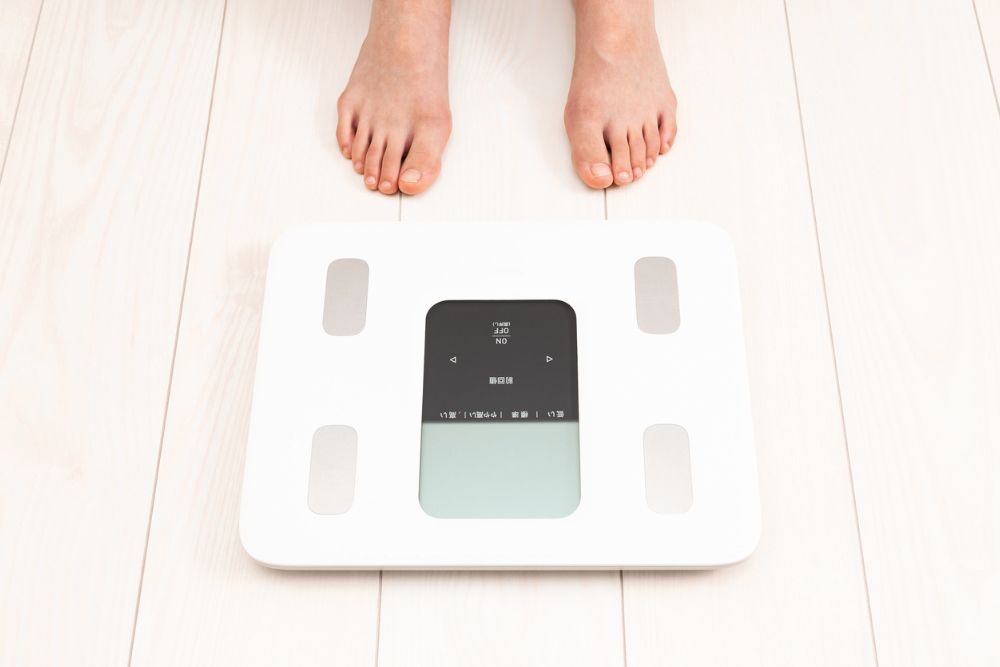
People often hold the belief that those in larger bodies are less worthy than ‘normal’-sized people. And society as a whole does not make time or space for people in larger bodies. Whether it’s sitting on a plane, shopping for clothes, or ordering food at a restaurant, there are constant, daily reminders that reinforce the belief that they do not belong. Few places make the accommodations necessary for people in larger bodies to be comfortable. Weight stigma is pervasive, apparent everywhere, and medical spaces are no exception.
Weight does not solely determine nor predict health. People in larger bodies can be generally healthy, just as people in smaller bodies can be unhealthy. And it is problematic to assume weight loss itself is healthy because it can happen for a variety of reasons – including illness, eating disorders, etc. There are many factors, such as genetics, stress, hormone levels, lifestyle, and socioeconomic status, that impact body size.

Weight stigma is not the answer.
Even if the argument that weight is a sole predictor of health were true, there is a multitude of evidence to support that weight stigma is not the answer. Research shows that weight stigma is associated with cardiometabolic risk, diabetes, increased binge eating behaviors, depression, and anxiety. Weight stigma reinforces a person’s internalized bias, which increases body image distress and risk for an eating disorder in an attempt to “fix” the problem.
Weight stigma increases allostatic load, which is a strong predictor of poor health and mental health outcomes. Ironically, weight stigma has also been found to predict weight gain. And when patients feel unheard and shamed for their body size, they are less likely to return for future medical care, regardless of how vital it may be. Shaming someone for their size or telling them to “just lose weight” is not as effective as one might think.
It’s imperative that healthcare facilities offer space for patients to feel cared for and supported. In many ways they do, but for those in larger bodies, these spaces may be sources of trauma and anxiety. Below are some ways weight stigma can show up in medical settings:
- Using “one size fits all” blood pressure cuffs or medical gowns
- Only offering chairs with armrests
- Blaming a patient’s health problems on their weight
- Assuming a patient’s food intake or activity level based on their size
- Dismissive language and body language
- Denying someone proper care due to their size
Considerations for creating a weight-neutral space for patients:
- Focus on health. A health-centered approach considers the whole person. While weight itself may not be controllable, health-promoting behaviors can be. Not only that, but some patients may not want to discuss their weight at all, let alone make changes to it. Involving patients in their treatment and asking permission to discuss various topics increases autonomy and engagement.
- Recognize that shame and discrimination are harmful, not motivating. Weight stigma is not only ineffective for behavior change, but is associated with poorer physical and mental health outcomes. Approaching patient care with respect, compassion, and collaboration supports sustainable, healthy habits.
- Use non-stigmatizing, patient-preferred language. Avoid terms such as “obese patient” or “overweight client” when speaking with patients or speaking about them. Instead, person-first language can be used, for example, “person in a larger body.” Additionally, asking individuals what language they prefer when discussing their bodies or weight helps foster respect, trust, and inclusion in their care.
- Understand the patient’s relationship with food before making recommendations. Asking about eating patterns, beliefs, and history provides essential context and prevents unintentionally reinforcing harm and stigma. Gathering this information first allows for more effective, individualized recommendations.
- Allow a patient to decline being weighed unless it is medically necessary (i.e., medication dosing). Respecting a client’s decision regarding their medical care fosters confidence and comfort in healthcare settings, where patients can often feel unheard or dismissed. For those who agree to be weighed, have the scale in a private location to reduce distress.
- Create a weight-inclusive space. This includes offering wide, armless chairs, ensuring furniture accommodates higher-weight capacities, stocking a full-size range of medical gowns, and vetting education materials for stigmatizing messaging.
Examine personal weight bias.
Providing care without promoting weight stigma can be tricky to navigate, as the medical field is often weight-centric. Fortunately, there are an increasing number of resources that dietitians can utilize to help avoid the promotion of weight stigma. An important step is to reflect on personal bias. Dietitians are encouraged to understand how their own implicit bias shows up in their practice. Unintentional harm can be reduced with increased awareness.
Tools, such as the Implicit Association Test (https://implicit.harvard.edu/implicit/takeatest.html), can support this self-reflection.
When weight-centric care is primary, the bigger picture of a patient’s overall health can be missed, and mistakes can be made. Even the most well-intentioned healthcare professionals cause harm if they do not work from a weight-inclusive lens. When medical settings use non-stigmatizing language and offer an accommodating, nonjudgmental space, there’s improvement in patient health outcomes— and isn’t that the point?
Dietitians On Demand is a nationwide staffing and recruiting company for registered dietitians, specializing in short-term, temporary, and permanent-hire positions in acute care, long-term care, and food service. We’re dedicated to dietitians and helping them enhance their practice and excel in the workplace. Check out our job openings, request your coverage, or visit our store today!
References:
Hunger JM, Smith JP, Tomiyama AJ. An Evidence-Based Rationale for Adopting Weight-Inclusive Health Policy. Soc Issues Policy Rev. 2020; 14(1): 73-107. https://doi.org/10.1111/sipr.12062
Wu Y, Berry DC. Impact of weight stigma on physiological and psychological health outcomes for overweight and obese adults: A systematic review. J Adv Nurs. 2017: 1-13. https://doi.org/10.1111/jan.13511
Bannuru RR. Weight stigma and bias: standards of care in overweight and obesity—2025. BMJ Open Diabetes Research & Care. 2025; 13: e004962. DOI: 10.1136/bmjdrc-2025-004962

About Taylor Moyer
Taylor Moyer, RD, LD, CEDS is a dietitian who specializes in treating those with eating disorders at multiple levels of care. She strives to help people make peace with their relationship with food and their bodies. In her free time, she enjoys hiking with her dog and gardening.
Who we are
Dietitians On Demand is the nationwide leader in providing dietitians with jobs they love. If flexibility, competitive pay, a full benefits package, free CPEUs each month and a team dedicated to dietitians sound good to you, apply to our positions today.


